"This collection reflects a journey"
About the Owner - Noel Will
My first recollection of buying any art was the purchase of a framed reproduction of some kind of pastoral scene by the French painter, Bernard Buffett, from a framing shop in the city. This would have been around about 1970. I simply liked the look of it.
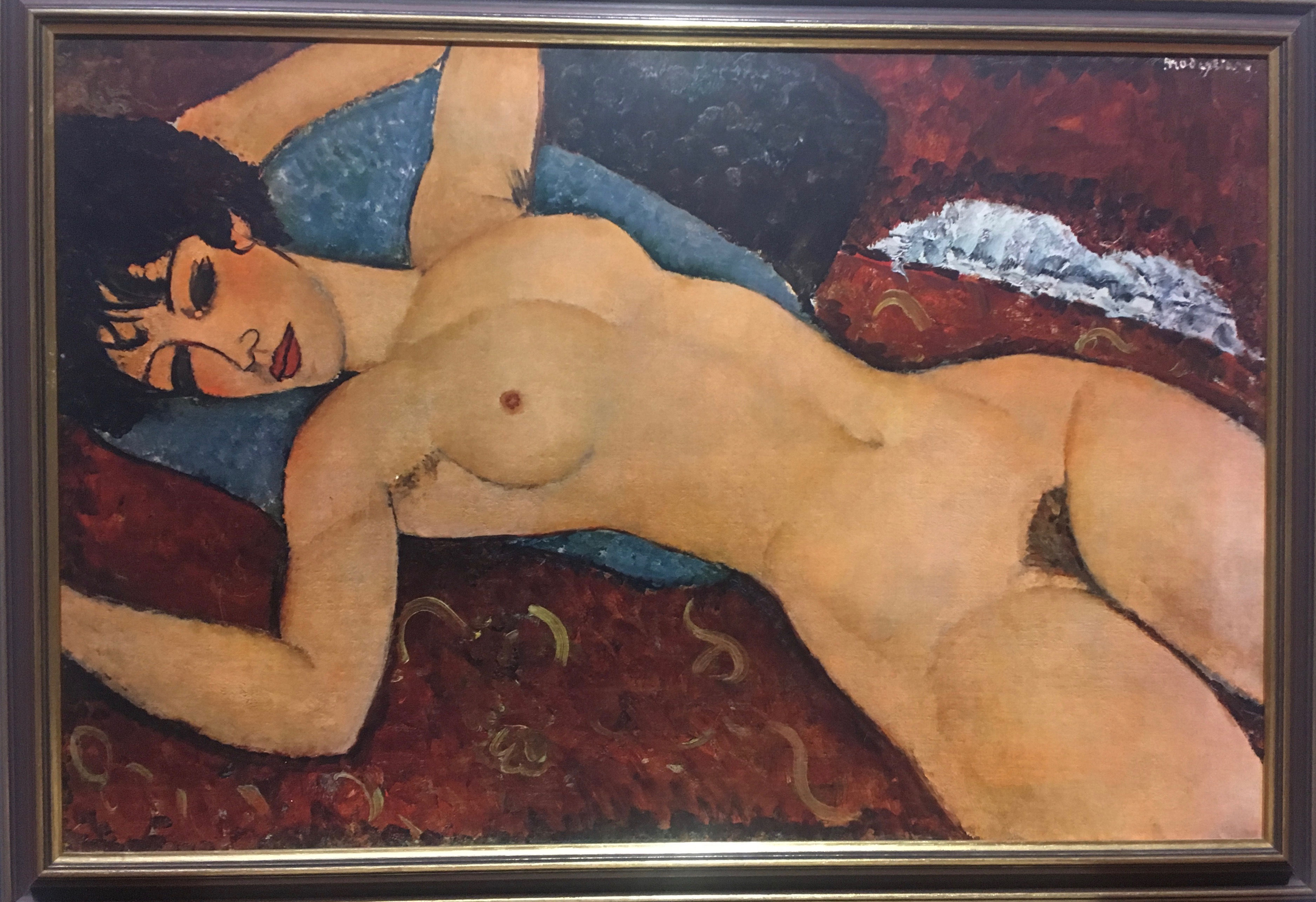
My next recollection of a purchase was another reproduction, purchased around the same time. It was a reclining nude, painted by Amadeo Modigliani in 1917 entitled “Nu Couche”, which I bought because it reminded me of my wife at the time. The original of this reproduction, I found out recently, sold at auction at Christies, the British Auction House, in November 2015 for US$152 million.
 My next memorable purchase was a reproduction by Norman Lindsay, which I bought at the Norman Lindsay Gallery & Museum at Faulconbridge in the Blue Mountains in New South Wales, when travelling there with my wife in 1975. This was the purchase that further emboldened me to display a representation of the female form in my home. I took the reproduction to the framing shop, previously mentioned, and I asked the proprietor, with whom I have since formed a lifelong friendship, to frame it as if it was the original work – a heavily gilded frame – and I hung it in a prominent place in my home.
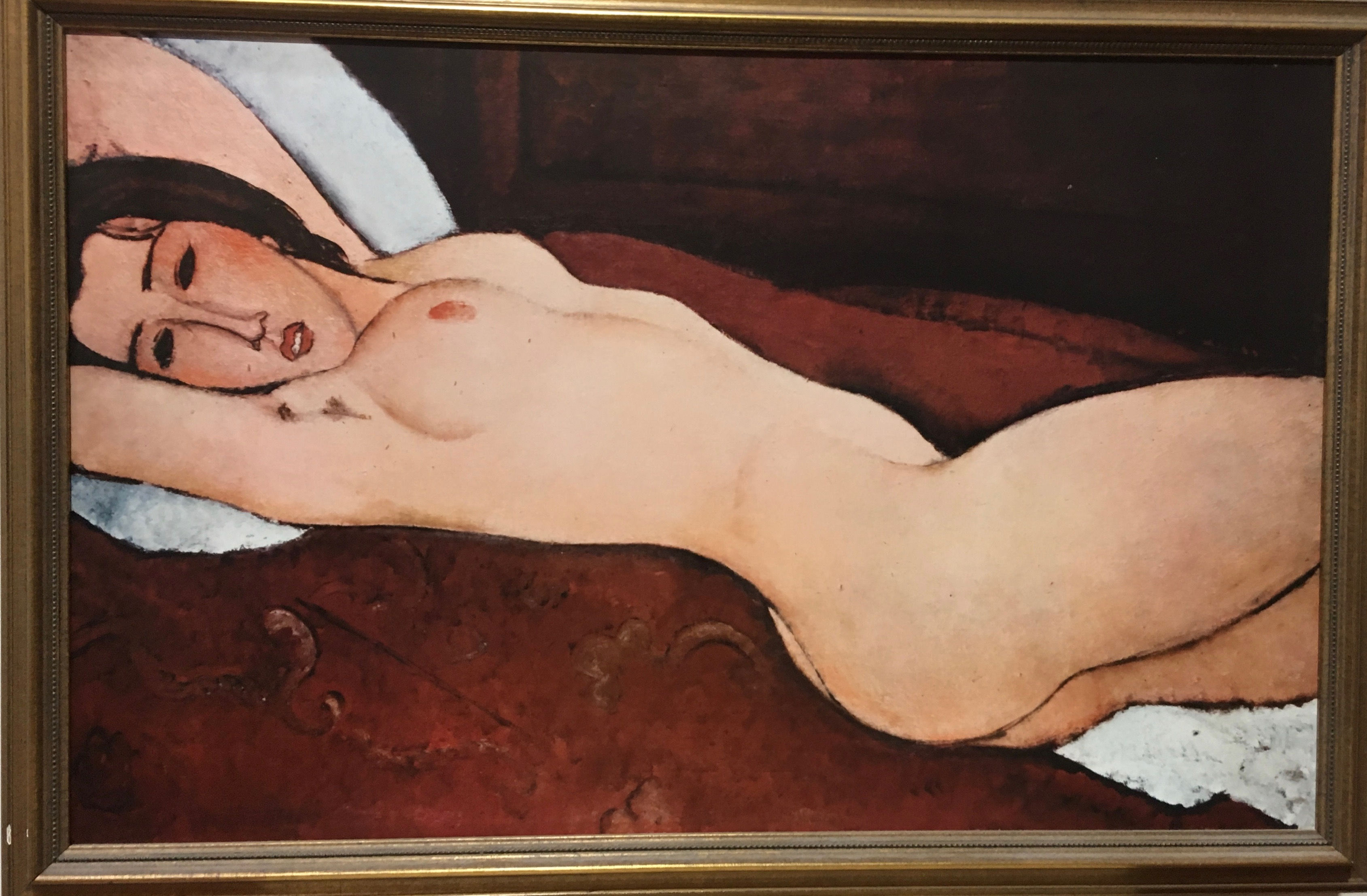
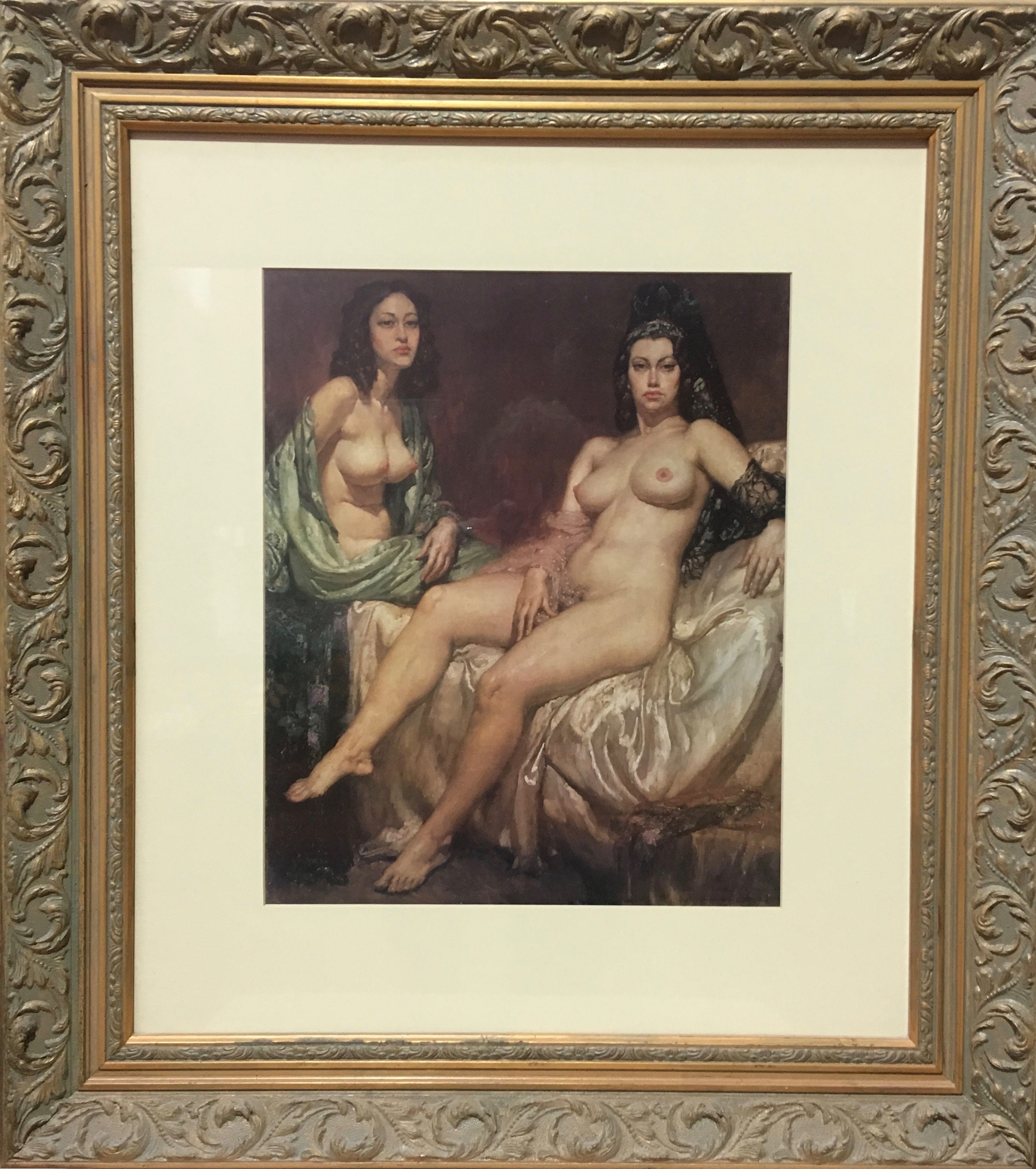 Around this time, I saw another framed reproduction by Modigliani, entitled Nu Couche, Les Mains Derriere La Tete – which means reclining nude with the hands behind the head. It was quite different from the previously purchased reproduction and I was attracted to it for that reason. It addressed my growing interest in the variations of the female form, that I observed in real life, and it furthered my interest is displaying different aspects of the female form.
 I was born in 1942 and raised as a Catholic and took my religion seriously, to the extent, that, from the age of 14 to the age of 22, I struggled with the concept of becoming a priest, in the belief that this was the best thing I could do with my life. It was quite a struggle because, like all males of my age, I became aware of my attraction to girls – namely, females.
Given Catholic priests were unable to marry, I struggled with what was presented to me as a vocation – a calling. I interpreted my Catholicism as saying that this was the best thing that a male could do. I wanted to do the best I could but I was very aware of my attraction to girls.As a result, immediately after finishing year 12, called Matriculation, in those days, I went and taught in a Catholic high school in New South Wales at the age of 18 while I struggled with my dilemma. A year later, still unsure, I taught full time at a country high school in Victoria. At the end of that year, I went down to the Catholic Seminary at Werribee, which is now a zoo, and apprehensively told the acting Rector at the time that I thought that I would rather be a teacher and get married. Amazingly, to me, he looked me in the eye and said: “Son, don’t even think about doing this unless you are sure that this is what you want to do”. He legitimised that it was OK to not want to become a priest! I felt a weight fall from my shoulders and I walked out of there with a different perspective on life.I will always be extremely grateful to that man!
I was now 20 and I had been granted a studentship with the Victorian Education Department to attend Melbourne University to do a Bachelor of Arts and Diploma of Education – four years in total – which I accepted, to become a fully qualified teacher.
What I experienced at university was another story. Suffice to say, it was eye opening in a whole range of ways.
This was 1963!!
Society’s attitude to the role of sex in a person’s life was changing – albeit slowly! The Catholic Church was having an ecumenical council, called Vatican II, where progressive forces were prominent. Magazines like Playboy made access to female nudity, however fantasised, to the public and there was an atmosphere of liberation from age old ways of behaving.
Having said all that, it didn’t mean that the average person’s behaviour changed overnight; but options, previously not readily perceived, were being observed and many people were starting to question long established ways of behaving.
All this was impacting on me and part of it was a questioning the suppressed attitude to nudity that was the mainstream view. Now, I was not attracted to the male form in any way like the way that I was fascinated by the female form and, as a newly married male, I became exposed to this, in the form of my wife
I was physically attracted to my wife and, at the same time, I became aware that there were a whole range of variations of the female form, out there.
My curiosity was aroused!
One of the most liberating experiences that I had, in the late seventies , was going to Adelaide with my wife and going to, what we became aware of, while we were there, a beach, where it was totally acceptable, for those who chose to go there, to be and swim – naked!
We had a wonderful time and went a number of times with one of our female friends. As a result, I saw how the images presented in a magazine, like the Playboy magazine, were a stylised version of the female form and that they were crafted to create a certain kind of image, which didn’t accurately reflect reality. In fact, I could see the role of the artist in creating the outcome.
This even further heightened my curiosity and desire to be able to explore this more openly.
As a result, I questioned the basis on which I had made the important decisions in my life with regards to sex, sexuality, marriage and, basically, the role of attraction in the male/female interaction.
I married in 1968, aged 25, and our daughter was born nine months later. This whole process, from the age of 26 or 27, I found increasingly overwhelming and actively became involved in psychotherapy, which I continued for the next twenty odd years, seeing it as a tool to assist me to be more mentally healthy.
In 1982, at the age of 40, I left my marriage, deciding that I didn’t want to live a life based on premises that I didn’t endorse.
I wanted to validate myself!
At the core of this was my fascination with the role of a male’s basic attraction to a female, particularly from a physical perspective. I saw this as being superficially addressed in society ranging from it being simply seen as a natural thing, which needed no meaningful discussion, to an area where a whole lot of strictures were applied.
I had left teaching in 1979 and I began working in the financial services industry and, in 1984, I became a financial planner.
In 1988, I formally divorced my wife.
Over the next ten years, I started buying more original artwork. I developed an interest in doing this during my marriage, particularly when we were living in Papua New Guinea, where there was a UNESCO funded teachers college with a substantial art department.
My motivation for doing this was a combination of supporting the artist and an interest in attractive or unusual images. None of these purchases were around the female form, except one from a quirky artist that passed through Goroka, where we were living, who did a pastel of a naked female, which uncanningly reminded me of my wife – so, I bought it!
I was born in 1942 and raised as a Catholic and took my religion seriously, to the extent, that, from the age of 14 to the age of 22, I struggled with the concept of becoming a priest, in the belief that this was the best thing I could do with my life. It was quite a struggle because, like all males of my age, I became aware of my attraction to girls – namely, females.
Given Catholic priests were unable to marry, I struggled with what was presented to me as a vocation – a calling. I interpreted my Catholicism as saying that this was the best thing that a male could do. I wanted to do the best I could but I was very aware of my attraction to girls.As a result, immediately after finishing year 12, called Matriculation, in those days, I went and taught in a Catholic high school in New South Wales at the age of 18 while I struggled with my dilemma. A year later, still unsure, I taught full time at a country high school in Victoria. At the end of that year, I went down to the Catholic Seminary at Werribee, which is now a zoo, and apprehensively told the acting Rector at the time that I thought that I would rather be a teacher and get married. Amazingly, to me, he looked me in the eye and said: “Son, don’t even think about doing this unless you are sure that this is what you want to do”. He legitimised that it was OK to not want to become a priest! I felt a weight fall from my shoulders and I walked out of there with a different perspective on life.I will always be extremely grateful to that man!
I was now 20 and I had been granted a studentship with the Victorian Education Department to attend Melbourne University to do a Bachelor of Arts and Diploma of Education – four years in total – which I accepted, to become a fully qualified teacher.
What I experienced at university was another story. Suffice to say, it was eye opening in a whole range of ways.
This was 1963!!
Society’s attitude to the role of sex in a person’s life was changing – albeit slowly! The Catholic Church was having an ecumenical council, called Vatican II, where progressive forces were prominent. Magazines like Playboy made access to female nudity, however fantasised, to the public and there was an atmosphere of liberation from age old ways of behaving.
Having said all that, it didn’t mean that the average person’s behaviour changed overnight; but options, previously not readily perceived, were being observed and many people were starting to question long established ways of behaving.
All this was impacting on me and part of it was a questioning the suppressed attitude to nudity that was the mainstream view. Now, I was not attracted to the male form in any way like the way that I was fascinated by the female form and, as a newly married male, I became exposed to this, in the form of my wife
I was physically attracted to my wife and, at the same time, I became aware that there were a whole range of variations of the female form, out there.
My curiosity was aroused!
One of the most liberating experiences that I had, in the late seventies , was going to Adelaide with my wife and going to, what we became aware of, while we were there, a beach, where it was totally acceptable, for those who chose to go there, to be and swim – naked!
We had a wonderful time and went a number of times with one of our female friends. As a result, I saw how the images presented in a magazine, like the Playboy magazine, were a stylised version of the female form and that they were crafted to create a certain kind of image, which didn’t accurately reflect reality. In fact, I could see the role of the artist in creating the outcome.
This even further heightened my curiosity and desire to be able to explore this more openly.
As a result, I questioned the basis on which I had made the important decisions in my life with regards to sex, sexuality, marriage and, basically, the role of attraction in the male/female interaction.
I married in 1968, aged 25, and our daughter was born nine months later. This whole process, from the age of 26 or 27, I found increasingly overwhelming and actively became involved in psychotherapy, which I continued for the next twenty odd years, seeing it as a tool to assist me to be more mentally healthy.
In 1982, at the age of 40, I left my marriage, deciding that I didn’t want to live a life based on premises that I didn’t endorse.
I wanted to validate myself!
At the core of this was my fascination with the role of a male’s basic attraction to a female, particularly from a physical perspective. I saw this as being superficially addressed in society ranging from it being simply seen as a natural thing, which needed no meaningful discussion, to an area where a whole lot of strictures were applied.
I had left teaching in 1979 and I began working in the financial services industry and, in 1984, I became a financial planner.
In 1988, I formally divorced my wife.
Over the next ten years, I started buying more original artwork. I developed an interest in doing this during my marriage, particularly when we were living in Papua New Guinea, where there was a UNESCO funded teachers college with a substantial art department.
My motivation for doing this was a combination of supporting the artist and an interest in attractive or unusual images. None of these purchases were around the female form, except one from a quirky artist that passed through Goroka, where we were living, who did a pastel of a naked female, which uncanningly reminded me of my wife – so, I bought it!
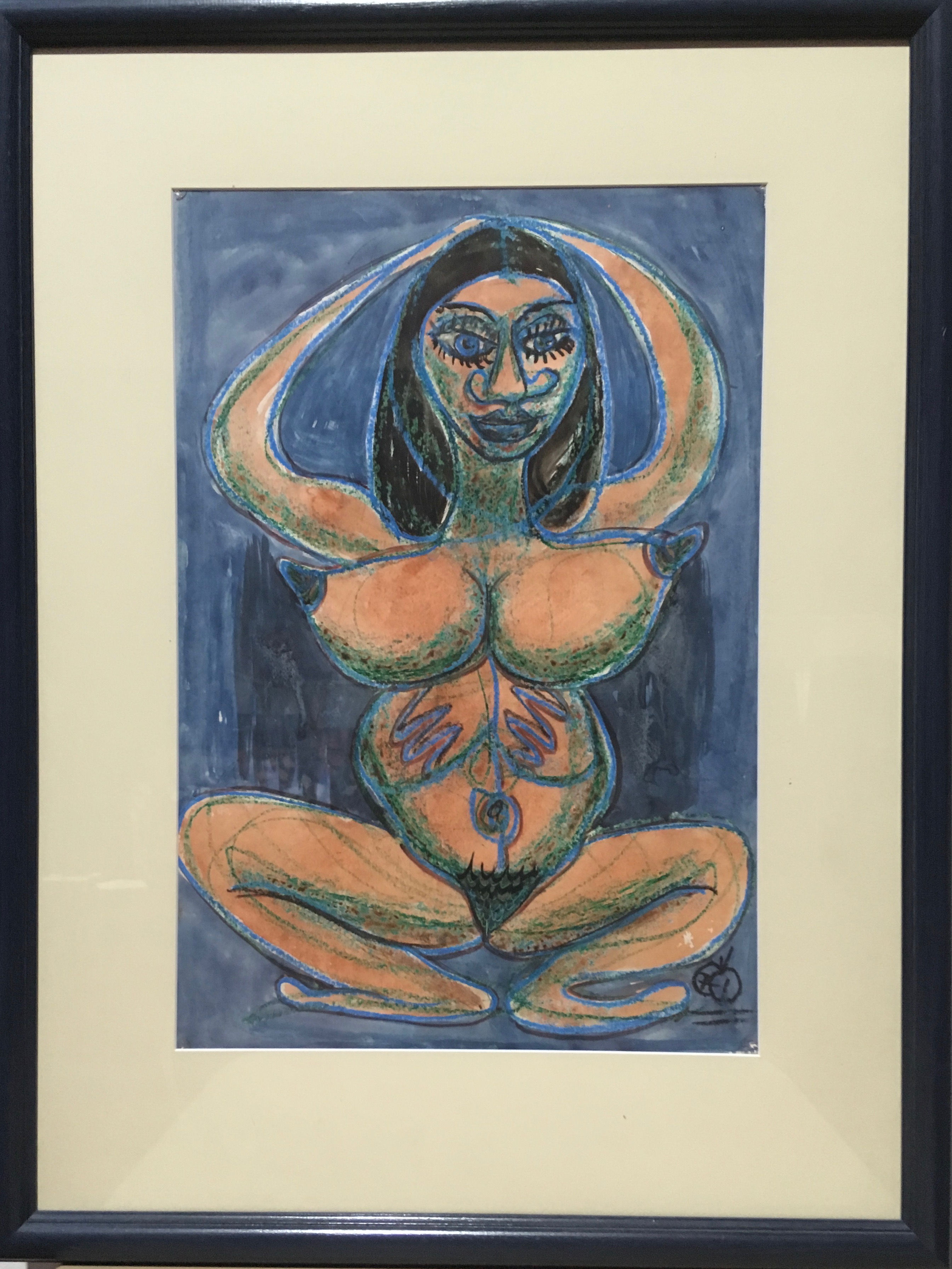 At this stage, I recollect that I had about twenty to thirty pieces of art, of which only three pieces were around the female form – the second Modigliani reproduction, the pastel from Paua New Guinea and a watercolour by an Australian artist, that I had purchased, because of the vibrancy of its colours.
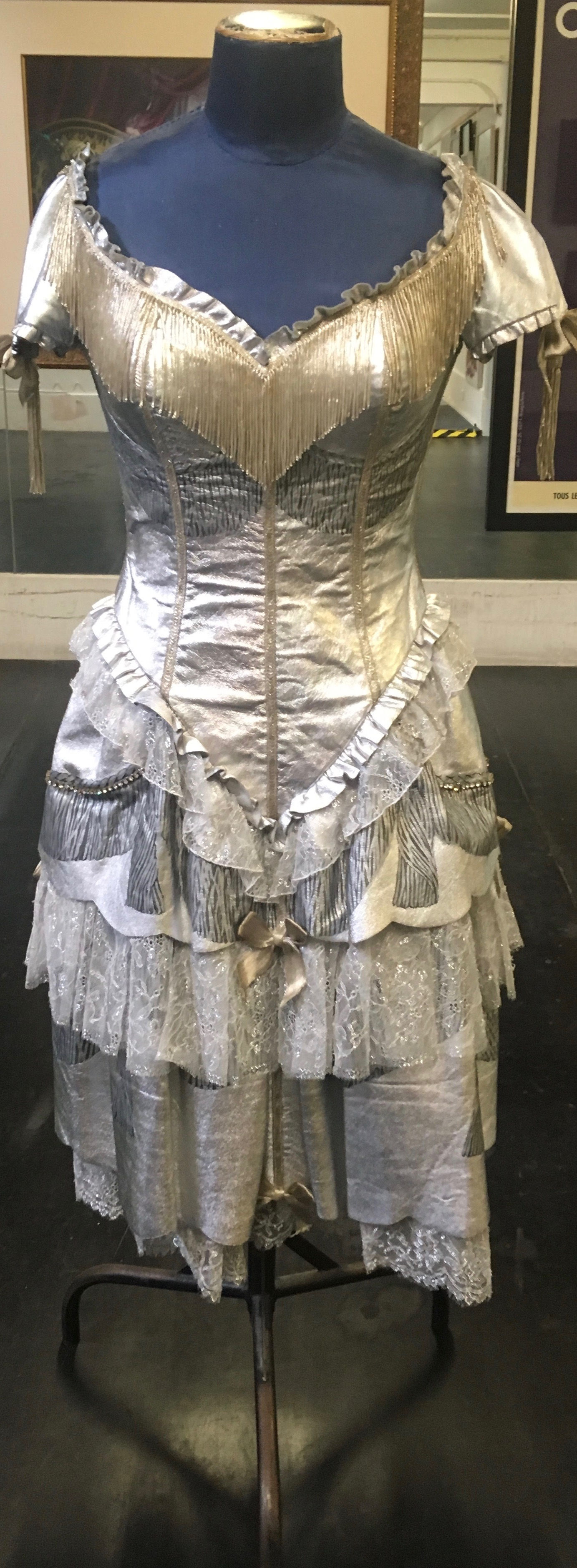
I also recall walking down Collins Street, passing the prestigious garment shop called Le Louvre, and being totally taken aback by an amazing dress in the window made of silver leather and lace. The lady in my life, who later, for a short period, became my second wife, had reddish auburn hair and I thought how amazing this dress would look on her – and it did. So, I purchased it!
At this stage, I recollect that I had about twenty to thirty pieces of art, of which only three pieces were around the female form – the second Modigliani reproduction, the pastel from Paua New Guinea and a watercolour by an Australian artist, that I had purchased, because of the vibrancy of its colours.
I also recall walking down Collins Street, passing the prestigious garment shop called Le Louvre, and being totally taken aback by an amazing dress in the window made of silver leather and lace. The lady in my life, who later, for a short period, became my second wife, had reddish auburn hair and I thought how amazing this dress would look on her – and it did. So, I purchased it!
 Also, in 1996, we had done a major re-structuring of our business, requiring a major curtailment of my income while we developed the new model. As such, I moved out of my city premises to live with my mother, in a town house that I had bought for her and I had put all my personal effects into storage. As such, I was not in the position to purchase more art.
In 1999, my mother died and I was now in the town house alone and my income had returned to the levels prior to the re-structuring of our business.
I was in a relationship with a female artist, at this time, and when she observed my collection and buying behaviour, she stated that she believed that if I was going to continue to buy art, that it would be in my interest to have a theme. I responded by saying that I liked the female form, to which she responded that she had no interest in determining the theme – she was simply stating something that, from an artistic point of view, she thought would assist me to focus in my purchasing; to give some cohesion to my growing collection.
From this time, I actively decided that I would use this theme to guide me in my purchasing.
I was now in the position, financially, to begin buying again and my picture framing friend was now running a gallery and I began to support him, using my theme and looking for variations around that theme.
Looking in retrospect, I can see that my purchasing was a mixture of some form of altruism, supporting artists either directly or through art businesses or a desire to explore a whole range of variations around my theme. I can see, also, an element of naivete and compulsion in my purchasing pattern as I started to acquire more works than I could possibly display.
In 2002, I retired and I had continued to live alone.
I then began to support a new gallery in West Melbourne who was featuring the work of emerging artists. My collection grew in a much more significant way from the aspect of diversity around the theme.In 2005, I went to China for ten days and I was intrigued to see if I could find representations of the female form there. I did!
Also, in 1996, we had done a major re-structuring of our business, requiring a major curtailment of my income while we developed the new model. As such, I moved out of my city premises to live with my mother, in a town house that I had bought for her and I had put all my personal effects into storage. As such, I was not in the position to purchase more art.
In 1999, my mother died and I was now in the town house alone and my income had returned to the levels prior to the re-structuring of our business.
I was in a relationship with a female artist, at this time, and when she observed my collection and buying behaviour, she stated that she believed that if I was going to continue to buy art, that it would be in my interest to have a theme. I responded by saying that I liked the female form, to which she responded that she had no interest in determining the theme – she was simply stating something that, from an artistic point of view, she thought would assist me to focus in my purchasing; to give some cohesion to my growing collection.
From this time, I actively decided that I would use this theme to guide me in my purchasing.
I was now in the position, financially, to begin buying again and my picture framing friend was now running a gallery and I began to support him, using my theme and looking for variations around that theme.
Looking in retrospect, I can see that my purchasing was a mixture of some form of altruism, supporting artists either directly or through art businesses or a desire to explore a whole range of variations around my theme. I can see, also, an element of naivete and compulsion in my purchasing pattern as I started to acquire more works than I could possibly display.
In 2002, I retired and I had continued to live alone.
I then began to support a new gallery in West Melbourne who was featuring the work of emerging artists. My collection grew in a much more significant way from the aspect of diversity around the theme.In 2005, I went to China for ten days and I was intrigued to see if I could find representations of the female form there. I did!
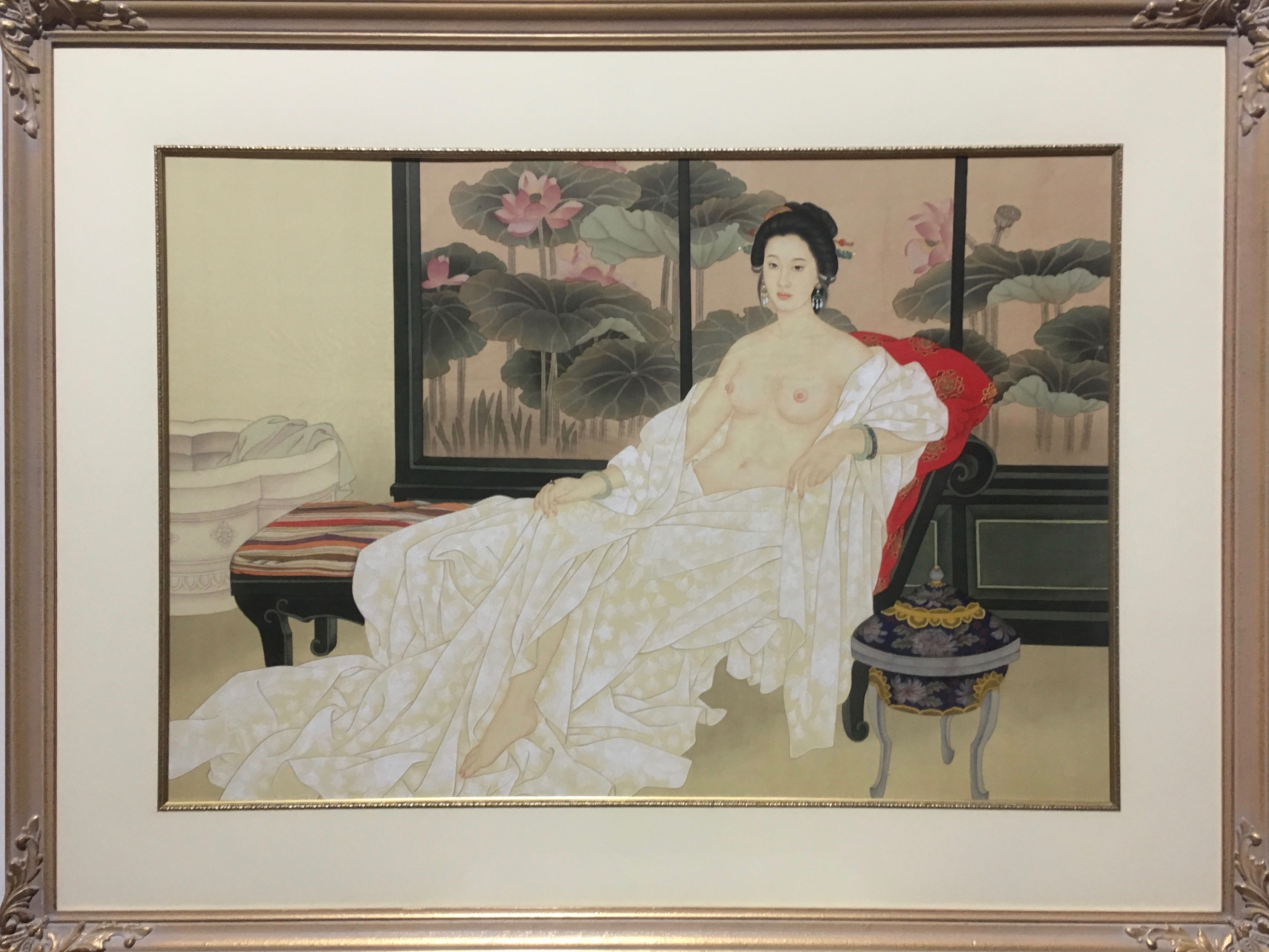 This experience fed my urge to find even more diverse variations on the theme.
I was always on the lookout for expressions of the theme in any gallery I went into or exhibition I attended or artist that I met. So, the collection grew across all types of media, with me paying little attention to the practicality of the purchase.
I saw myself as supporting artists, whom I knew, as a group, had great difficulty in making a living from expressing their talent.
This experience fed my urge to find even more diverse variations on the theme.
I was always on the lookout for expressions of the theme in any gallery I went into or exhibition I attended or artist that I met. So, the collection grew across all types of media, with me paying little attention to the practicality of the purchase.
I saw myself as supporting artists, whom I knew, as a group, had great difficulty in making a living from expressing their talent.
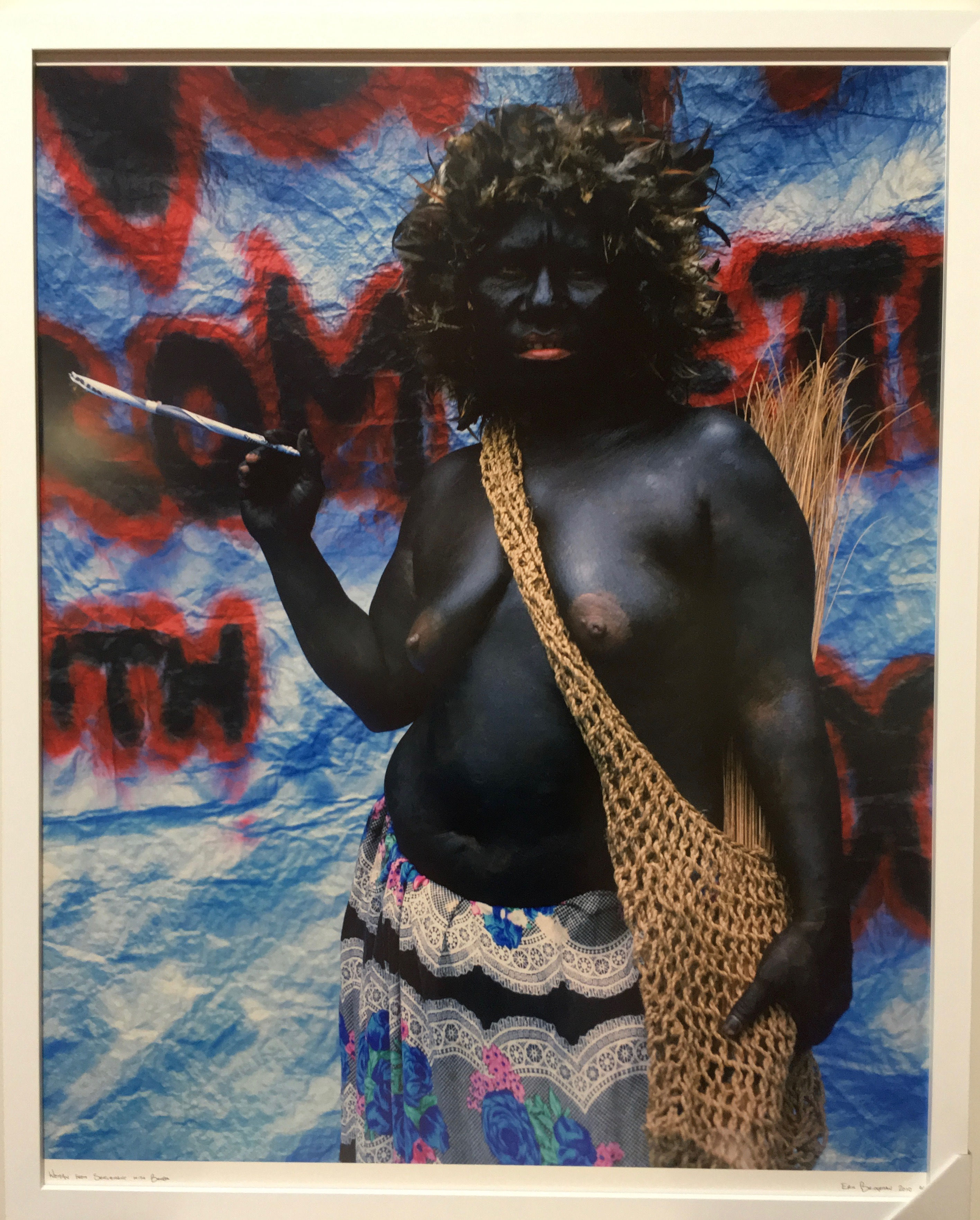 Hence the collection that you see before you - most of which has been in storage for the last four years and which I now have the opportunity to show, in this amazing space - reflects the journey on which I have been.
Expand
Hence the collection that you see before you - most of which has been in storage for the last four years and which I now have the opportunity to show, in this amazing space - reflects the journey on which I have been.
Expand